
"Arabica Philippines"
200 article(s) found

Basic knowledge of coffee cultivation basic knowledge of coffee
What is coffee? Coffee is the fruit of a Rubiaceae plant growing about 6000 feet above sea level, distributed on the world's narrow subtropical axis; coffee trees grow green all the year round and can grow up to 20 feet tall, and are generally controlled at 8 to 10 feet for easy harvest. It takes three to five years for the coffee tree to bear fruit. First of all, it produces small white flowers that resemble jasmine in shape and size.

The basics of coffee cultivation the types of coffee beans
What is coffee? Coffee is the fruit of a Rubiaceae plant growing about 6000 feet above sea level, distributed on the world's narrow subtropical axis; coffee trees grow green all the year round and can grow up to 20 feet tall, and are generally controlled at 8 to 10 feet for easy harvest. It takes three to five years for the coffee tree to bear fruit. First of all, it produces small white flowers that resemble jasmine in shape and size.
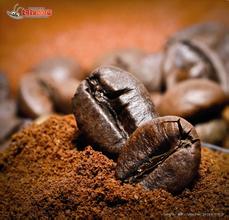
Introduction to all kinds of coffee beans
The largest producer of Arabica coffee is South America. Brazil, Colombia, Jamaica and other major coffee producing areas in the world, the variety produced is Arabica. In addition, it is also planted in Ethiopia, Tanzania, Angola, Kenya, Papua New Guinea, Hawaii, the Philippines, India, Indonesia and other places. Robusta (Robusta):

Eight Coffee cities dedicated to Coffee lovers
Coffee shops can be found everywhere in the streets of Taipei. Taiwanese shopkeepers who pay attention to cultural creation usually cannot allow their coffee shops to lack character. The design of small details is a magic weapon to attract customers. Drinking coffee is an important way to enjoy Taipei, and it is also a part of the life of many people in Taipei. Walking on the streets of Taipei, from the cheapest 35 yuan coffee to the coffee shop run by the champion of the World Coffee Competition

Eight Coffee cities dedicated to Coffee lovers
Seattle in the eyes of coffee lovers around the world, there will be a separate location reserved for it, where the famous chain Starbucks was born. It is because of Seattle people's love for coffee that gives birth to a world-renowned brand. Other coffee chains are also spread all over the city network, and what is more worth discovering are the characteristic small cafes. The first star

The United States increased soybean exports last week. Brazil lowered its coffee production forecast for this year.
Professional baristas please follow the coffee workshop (Wechat official account cafe_style) the United States Department of Agriculture released on September 21st weekly export sales data for the period from September 8 to September 14, showing that the weekly net export sales of wheat for the 18-year period since June were 307200 metric tons, down 3 per cent and 24 per cent from the previous week and the past four weeks average, respectively; of which 77900 metric tons were sold to the Philippines. Wheat

What is the transmission path of coffee? Introduction of basic varieties
A summary of the transmission path of coffee from Ethiopia to Yemen (595-850), Yemen to India and Java (1600), Java to the Netherlands (1706), Netherlands to Paris (1714), Paris to Bourbon (1718) Martinique, Haiti (1723), Mexico, Brazil and other Central and South American countries (1727) last to East Africa (1900). At first, France was the main coffee supplier in Europe.

Boutique Coffee introduction to 53 Coffee producing areas around the World
forty-four. In 1715, the first coffee trees (about 40) were transported from the Yemeni port of Moka to La Runion, but unfortunately only two survived. By 1719, coffee plantations had flourished and the first beans were sold. Over the next few years, the government took a hard measure: the islanders, black and white, had to plant 100 coffee trees a year.

Inka Hayangan Manor Coffee with strong flavor Taste Features of producing area Variety introduction
Indonesia is located in southeast Asia, across the equator, bordering Papua New Guinea, East Timor and Malaysia, and facing Thailand, Singapore, Philippines and Australia across the sea. Indonesia straddles the equator (12S-7N), and more than 70% of its territory is located in the southern hemisphere, making it the largest country in the southern hemisphere of Asia (East Timor is also a southern hemisphere country). Longitude crossing 9
Three types of coffee
At present, there are about a dozen varieties for drinking. At present, the most important varieties of coffee beans mainly come from three kinds. Arabian species (Arabica species), Romsda species and Libyan species.
The three main types of coffee
At present, there are about a dozen varieties for drinking. At present, the most important varieties of coffee beans mainly come from three kinds. Arabian species (Arabica species), Romsda species and Libyan species.
Java Coffee java Jawa
Java Coffee, whose English name is java coffee, is also translated as Java Coffee. Java coffee (java Java coffee) planting distribution Java coffee beans (coffee powder) belong to: Robasda (Robusta) varieties, mainly distributed in African countries such as C ô te d'Ivoire, Angola, Madagascar and the Philippines, Vietnam and Indonesia (Java) and other places. Java coffee growing environment

Blessed again for boutique coffee lovers! % ARABICA expects to open a store in Shanghai by the end of the year.
The exchange of professional baristas please follow the coffee workshop (Wechat official account cafe_style).% ARABICA, a popular boutique coffee shop in Kyoto, announced on its Instagram on Aug. 22 that it has signed a contract with Chinese mainland and will enter Wukang Road in Shanghai in December this year. Its website announced that it will also open flagship stores in the Philippines, Qatar, Bahrain and other places in the same year. All over the world

Visit one of the world's top coffees, Hawaiian Kona Coffee.
Kona coffee has always been grown at home. At first, only men were allowed to work in the coffee garden, and later women joined in. This kind of family production of Hawaiians preferred to rely on the efforts of their families rather than hiring workers to work, so it was normal for Hawaiians to have eight or nine children at that time. Since then, there have been new immigrants from the Philippines and the United States.
Java boutique coffee
Java Coffee, the English name java coffee, is also translated as Java Coffee. Java coffee (java Java coffee) planting distribution Java coffee beans (coffee powder) belong to: Robasda (Robusta) varieties, mainly distributed in African countries such as C ô te d'Ivoire, Angola, Madagascar and the Philippines, Vietnam and Indonesia (Java) and other places. Java coffee

[coffee beans] Java coffee beans in Indonesia
Java Coffee, whose English name is java coffee, is also translated as Java Coffee. Java coffee (java Java coffee) planting distribution Java coffee beans (coffee powder) belong to: Robasda (Robusta) varieties, mainly distributed in African countries such as C ô te d'Ivoire, Angola, Madagascar and the Philippines, Vietnam and Indonesia (Java) and other places. Java coffee growing environment

Java coffee beans in Indonesia
Java Coffee, whose English name is java coffee, is also translated as Java Coffee. Java coffee (java Java coffee) planting distribution Java coffee beans (coffee powder) belong to: Robasda (Robusta) varieties, mainly distributed in African countries such as C ô te d'Ivoire, Angola, Madagascar and the Philippines, Vietnam and Indonesia (Java) and other places. Java coffee growing environment

Java coffee beans in Indonesia
Java Coffee, whose English name is java coffee, is also translated as Java Coffee. Java coffee (java Java coffee) planting distribution Java coffee beans (coffee powder) belong to: Robasda (Robusta) varieties, mainly distributed in African countries such as C ô te d'Ivoire, Angola, Madagascar and the Philippines, Vietnam and Indonesia (Java) and other places. Java coffee growing environment
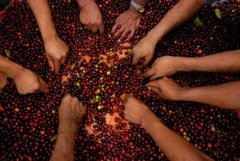
Introduction of Java Coffee Fine Coffee beans
Java Coffee, whose English name is java coffee, is also translated as Java Coffee. Java coffee (java Java coffee) planting distribution Java coffee beans (coffee powder) belong to: Robasda (Robusta) varieties, mainly distributed in African countries such as C ô te d'Ivoire, Angola, Madagascar and the Philippines, Vietnam and Indonesia (Java) and other places. Java coffee growing environment

Hawaiian coffee flavor with strong sour taste characteristics of boutique coffee bean manor
Kona coffee has always been grown at home. At first, only men were allowed to work in the coffee garden, and later women joined in. This kind of family production of Hawaiians preferred to rely on the efforts of their families rather than hiring workers to work, so it was normal for Hawaiians to have eight or nine children at that time. Since then, there have been new immigrants from the Philippines and the United States.